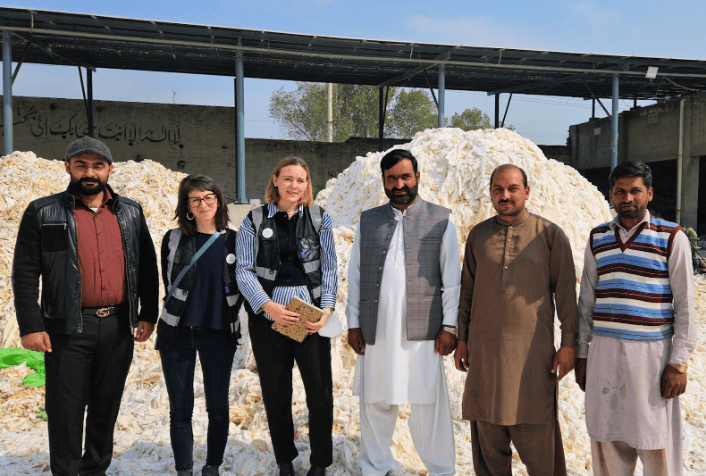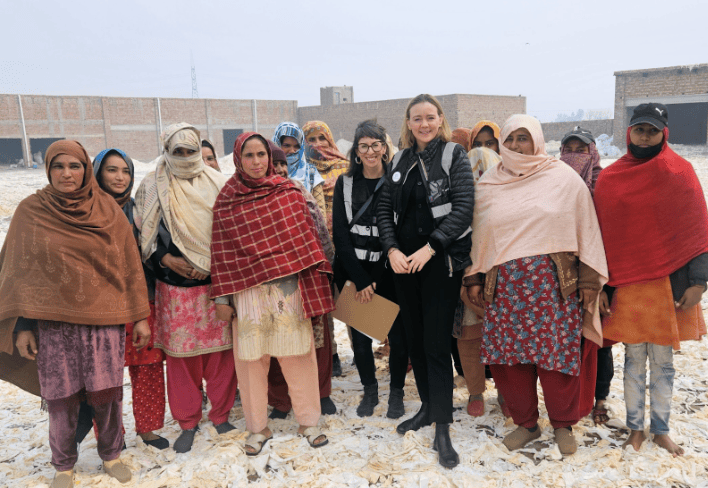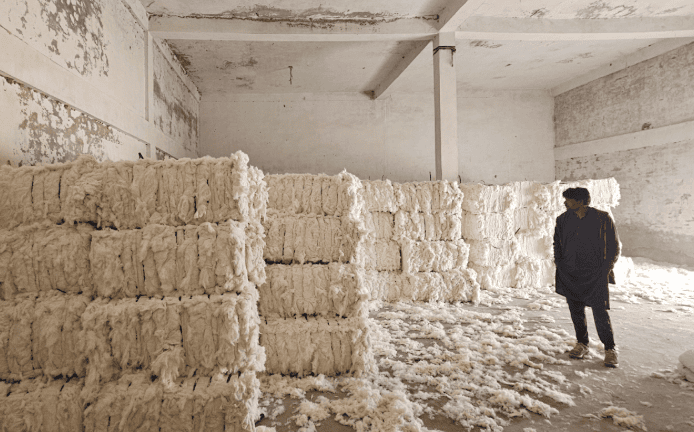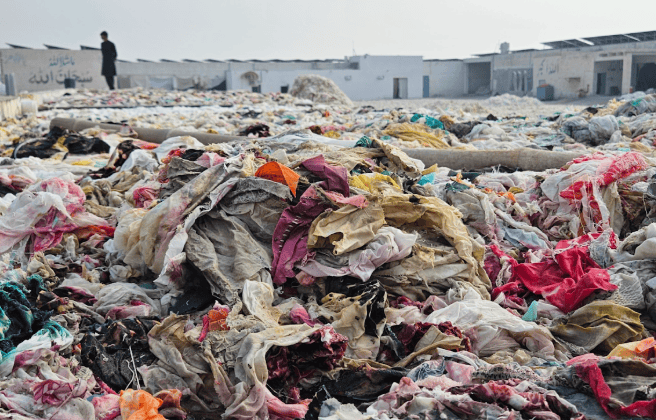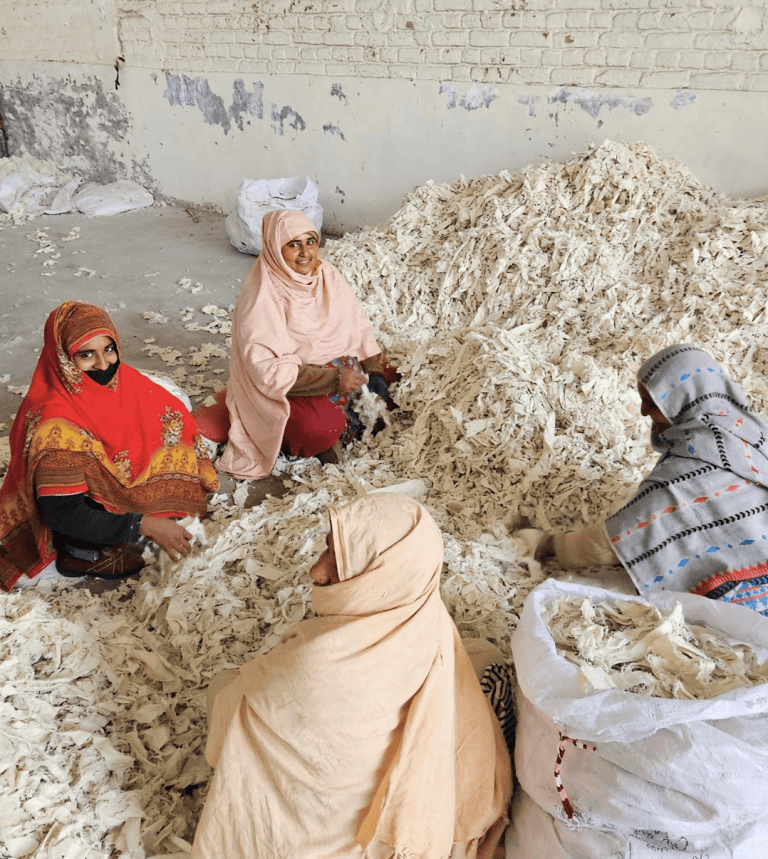
Following the successful completion of the Phase 1 pilot which is conducted in Satiana Waste Cluster (SWC), Closed Loop Fashion (CLF), KnowTex Solutions and Reverse Resources (RR) are advancing into Phase 2, continuing collaboration with stakeholders across Pakistan’s largest textile waste handling hub in the Faisalabad, Punjab region.
Scope of Phase 2
Building on Phase 1, Closed Loop Fashion will lead these multi-phase activities that will support 6 waste handling, decolorisation and recycling facilities in advancing circularity, environmental compliance and textile waste management:
- Chemical Management & Work Health & Safety (WHS) and facility compliance through ZDHC chemical assessments
- GRS Compliance Gap Analysis, supporting facilities in understanding their current position and requirements within chain-of-custody certification frameworks for 6 facilities
- Capacity Building and Knowledge Sharing, including facility-specific assessment reports, corrective action plans (CAPs), hands-on implementation support, tailored training programmes, and the development of a cluster-wide guideline document to be shared with approximately 150 facilities designed to help facilities meet global compliance standards
Economic Viability
Recognising the economic realities of the textile waste handling sector, Phase 2 will also include a detailed assessment of the economic feasibility of compliance improvements. This phase will examine how the introduction of enhanced safety, environmental and management measures may affect operational cost structures, productivity and pricing across different types of facilities. The analysis will consider both short-term implementation costs and longer-term efficiencies, as well as the potential implications for the selling prices of textile waste and recycled fibres. These insights will support the identification of practical, context-appropriate compliance pathways that strengthen sustainability performance while maintaining economic viability for facilities that are already operating on thin margins.
Technical and Policy Collaboration
In parallel, KnowTex Solutions will focus on advancing decolorisation and wastewater management practices, including applied research, laboratory testing and trials of improved treatment approaches aimed at reducing environmental impact. This includes the development and piloting of an optimised decolourisation technology, supported by detailed material characterisation to validate technical performance and recycling outcomes.
Additionally, in this Phase 2, KnowTex in collaboration with World Wildlife Fund (WWF) will assess the feasibility of modular wastewater treatment solutions at cluster level, identifying scalable best practices in wastewater and waste management. Environmental restoration pilots, including gravity-based oxygenation systems and floating wetlands at factory discharge points, will demonstrate practical approaches to improving local water quality.
The project will also contribute to developing policy recommendations based on technical findings and economic analysis, supporting regulatory alignment and knowledge exchange, sharing key findings with local authorities and engaging waste handler representatives across the wider South Asia region. Through this next phase, the project aims to translate pilot learnings into practical, scalable solutions, identifying pathways to scale and engaging potential partners to support long-term sector transformation.