

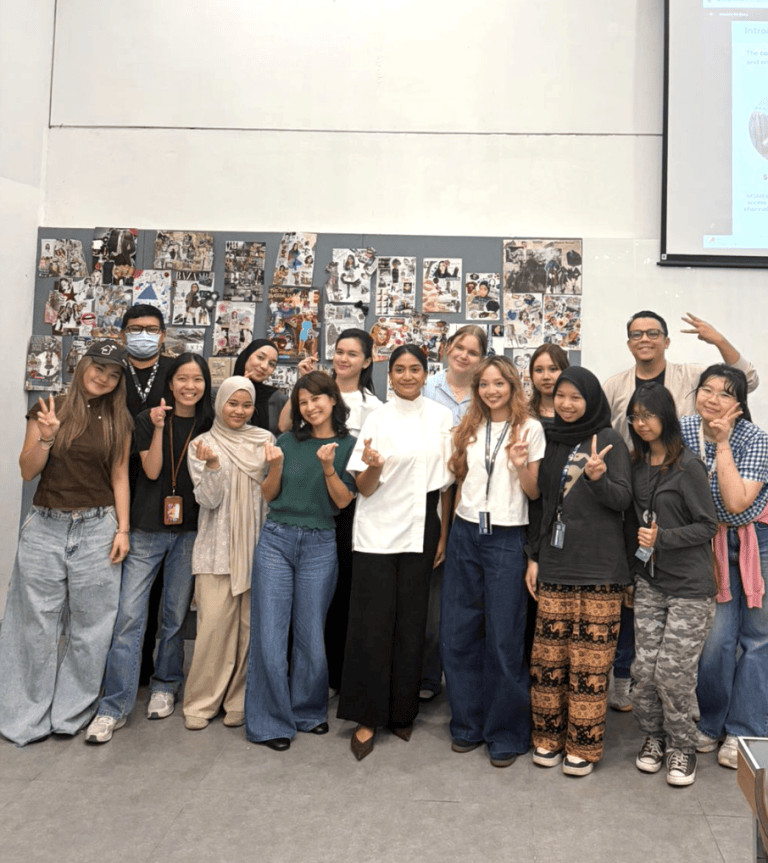
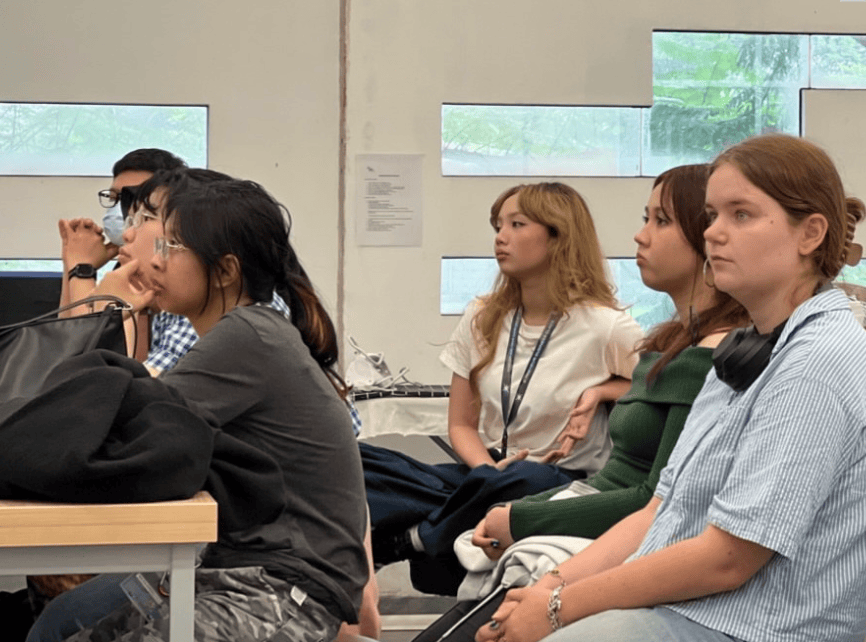
Closed Loop Fashion, together with Evermos, recently held a lecture on introducing upcycling design to fashion design students at BINUS University, Jakarta, Indonesia. With 51 students joining the session, we provided an overview of the develoPPP project with the Circular Design Innovation Program as a core component in which the students will be involved in. As part of the two-year Public-Private-Partnership project between Closed Loop Fashion and PT Setiap Hari Dipakai (Evermos), the program engages BINUS students in developing market-ready products from textile waste.
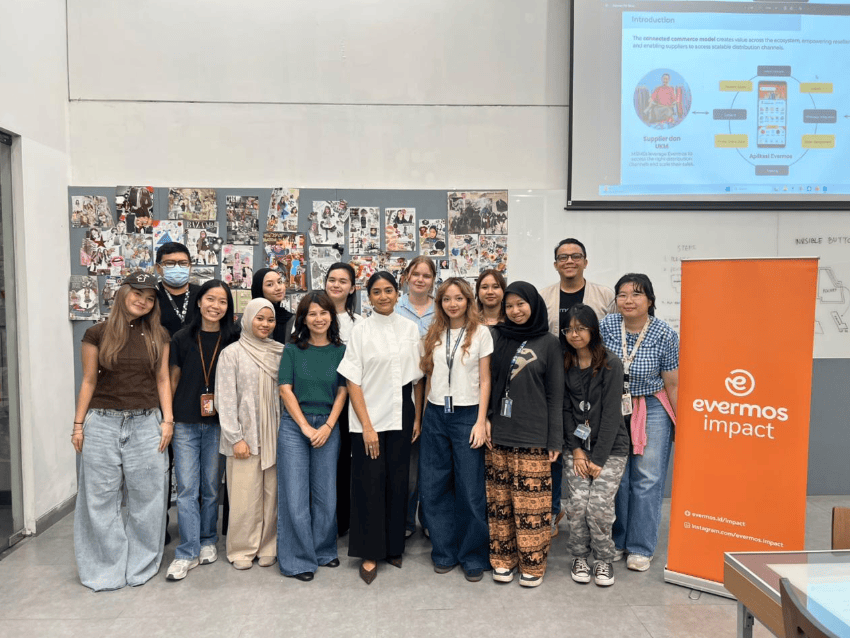
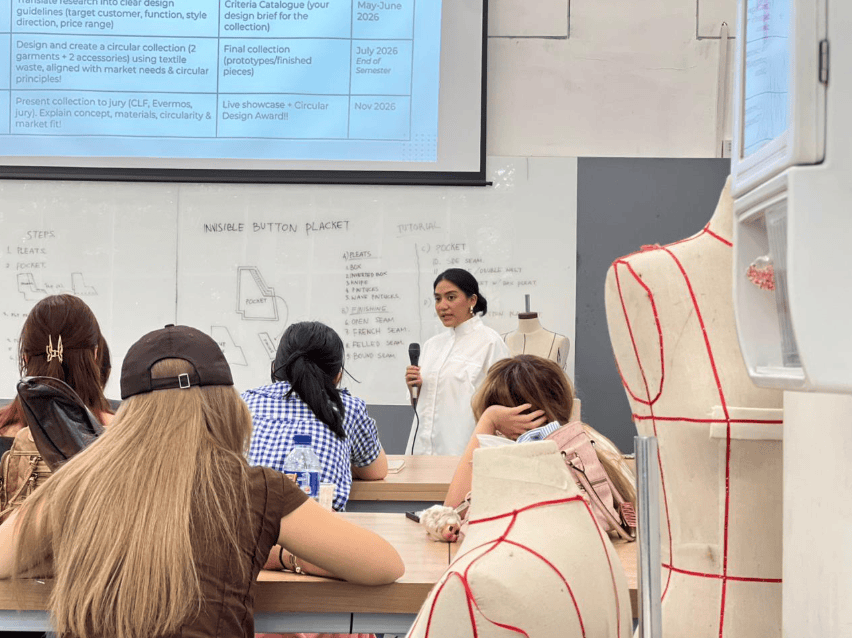
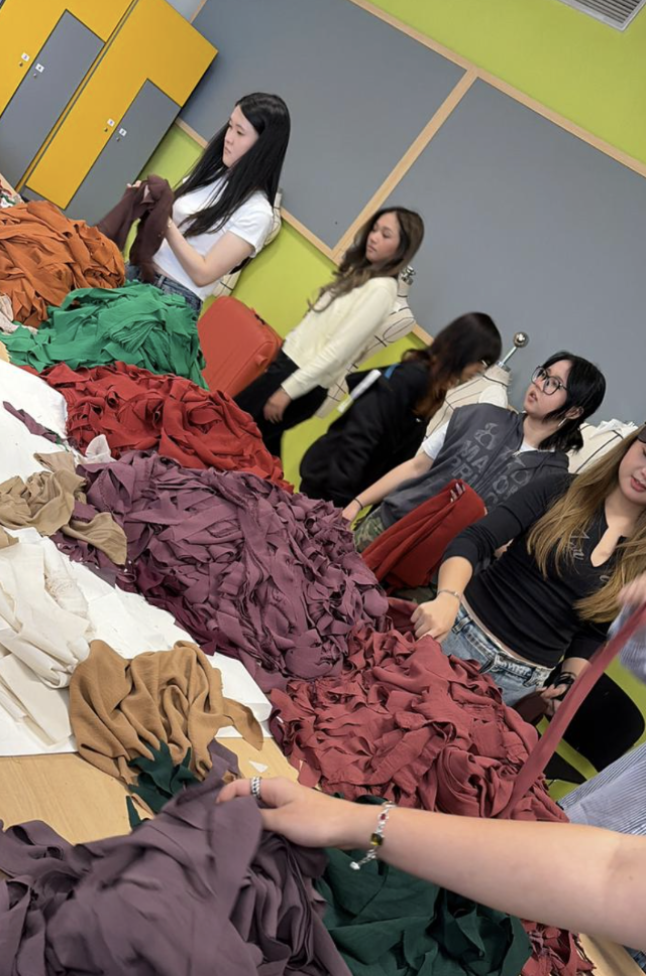
The lecture introduced key concepts of circular design and upcycling, emphasizing a shift from conventional design processes toward a material-centered approach, in this case it is textile waste from different manufacturers’ cutting process. Students were encouraged to see textile waste not as a limitation, but as a starting point for creativity and innovation. Through a structured process of market research, criteria development and hands-on design, they will develop circular fashion collections tailored to Evermos’ target group, combining design aesthetics with real commercial viability. The program will culminate in a live showcase and Circular Design Award later in November 2026, highlighting the most innovative and impactful designs while promoting scalable circular practices.
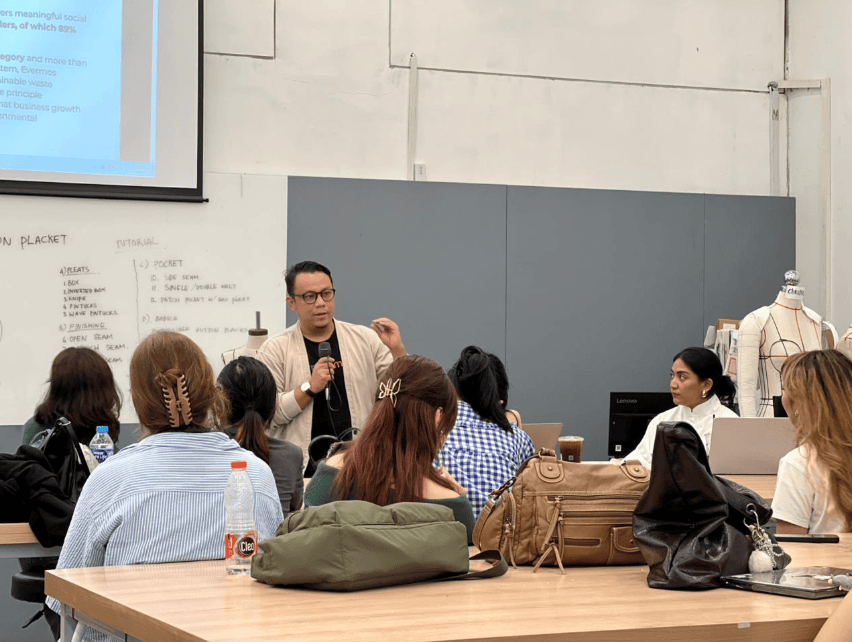
Through best practice examples from the industry, Closed Loop Fashion showcased the importance of integrating circular economy principles already at the stage of design. Evermos also shared how sustainable initiatives such as ESG assessments, Evermos ESG Scoring & Rating serve as tangible proof that sustainability principles can go hand in hand with business growth and the empowerment of local MSMEs.
During the session, students showed curiosity and involvement. They asked thoughtful questions about the Evermos e-commerce platform, its users, and how their designs could respond to real market needs. Early ideas already reflected a strong direction in both circularity and functionality. One concept explored modular design through a trench coat that can be disassembled and reconfigured, while another drew inspiration from Japanese military uniforms, translating technical construction elements into contemporary fashion context. These initial directions highlighted the students’ ability to combine creativity with practical, market-oriented design thinking, reflecting how the next generation of designers is ready to rethink waste as a resource.
|This activity is part of the develoPPP project, co-financed by the German Investment and Development Corporation / DEG Impulse gGmbH of the KfW banking group from public funds of the German Federal Ministry for Economic Cooperation and Development (BMZ) and private funding from PT Setiap Hari Dipakai. The develoPPP programme is a German government initiative that offers financial and technical support to companies pursuing sustainable investments in developing and emerging economies.
